01. SEC_REF // COGNITIVE_MATRIX MEM_ALLOC: OK  ·  UPTIME 99.98%  ·  boot.seq nominal_
[ MACHINE LEARNING RESEARCHER ]

ETHAN
HAARER

SYS.REF // COGNITIVE-INSPIRED ARCHITECTURES

I am currently a Founding Engineer at a [STEALTH STARTUP] where I predominately develop cognitive-inspired ML systems. Our research predominantly revolves around Representation Learning, Novel ML Algorithms, and Mechanistic Interpretability.

My research Interests lie in Neuro-Symbolic AI, specifically in cognitive-inspired systems that learn continuously from few examples, grow their own concept hierarchies the way people do, and stay explainable and interpretable at every layer. 
I also enjoy deploying Edge AI to see how far we can push local compute to aid those in the field.

EDU_NODE · 01
M.S. COMPUTER SCIENCE
Georgia Institute of Technology
Machine Learning Specialization · Dec 2025
EDU_NODE · 02
B.S. COMPUTER SCIENCE
Georgia Institute of Technology
Intelligence & Devices · Summa Cum Laude · May 2024
FIG.01 — LOSS SURFACE ANIMATIONR · MAPPED
02.SEC_REF
N = 003 FEATURED

Research Publications

Warped concentric gradient grid [ P·01 ]
UNSUPERVISED · LATENT_REP · EMERGENT

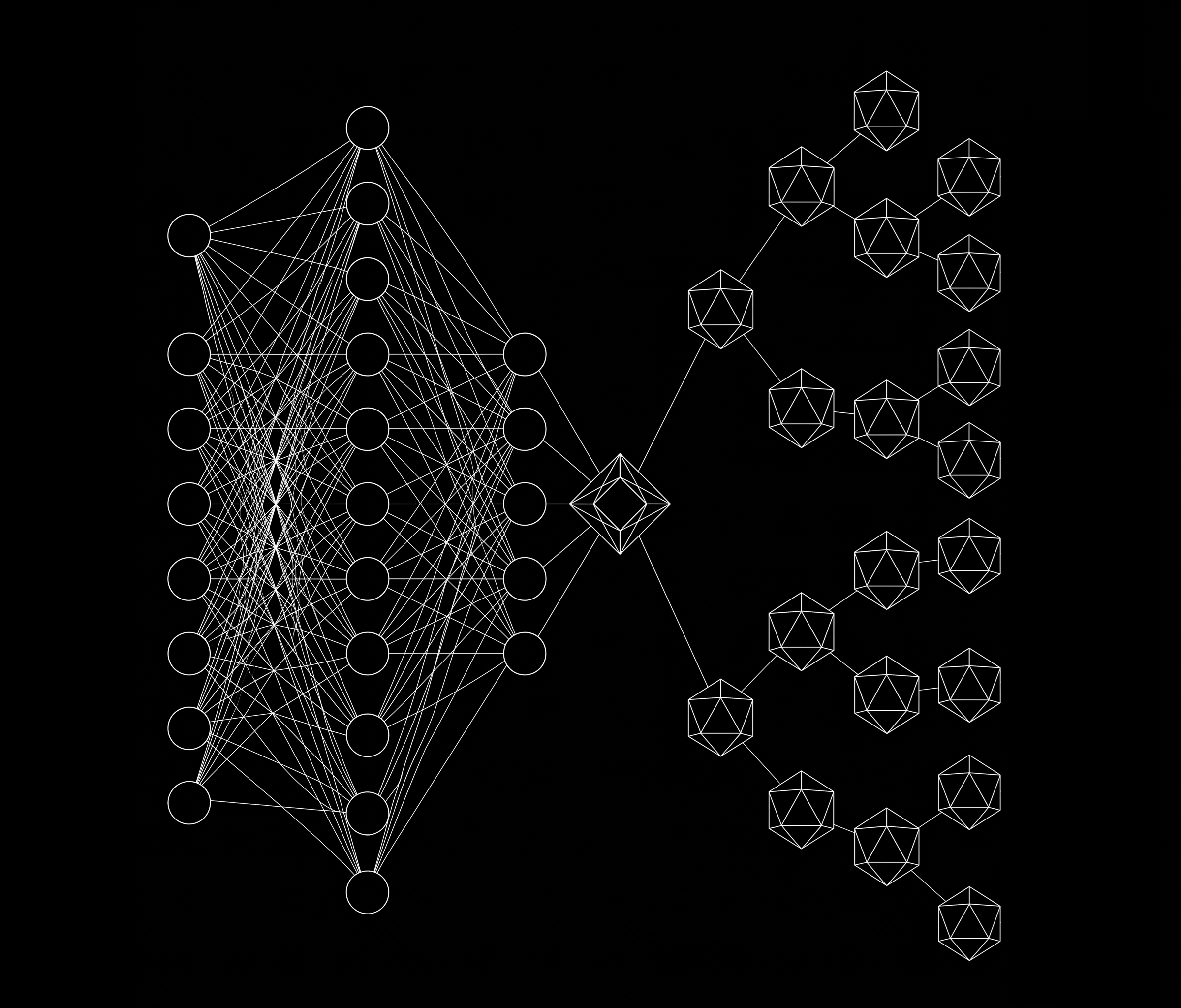
Deep Taxonomic Networks for Unsupervised Hierarchical Prototype Discovery

A deep latent-variable approach that optimizes a large latent hierarchy to automatically discover taxonomic structure and prototype clusters directly from unlabeled data; statistical optimization walking a gradient space toward emergent topology.

VAE MIX_OF_GAUSS NeurIPS 2025
READ ON ARXIV→
Upward hyperbolic cone wireframe [ P·02 ]
NEURO-SYMBOLIC · INTERPRETABLE · KNOWLEDGE_REP

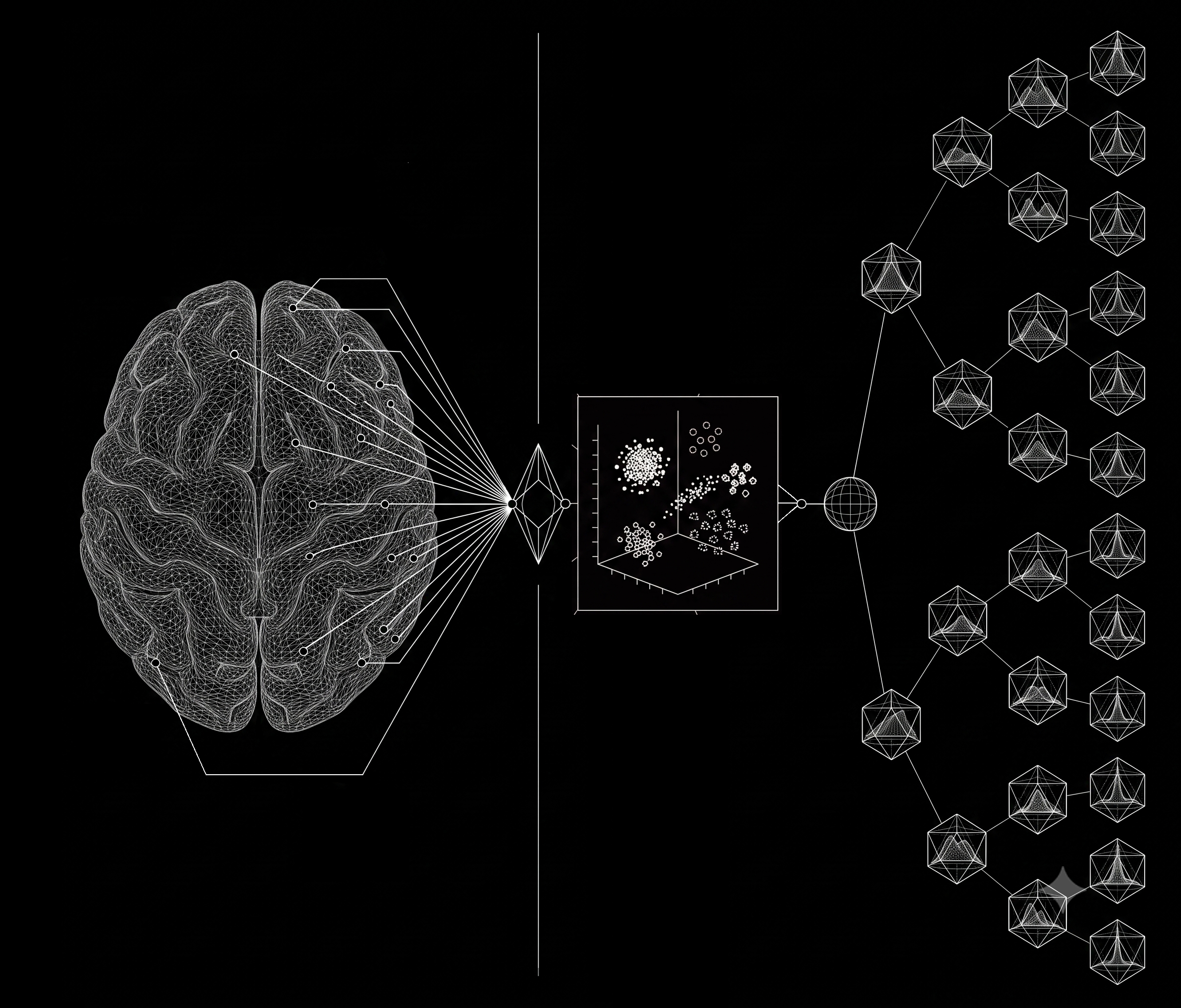
Taxonomic Networks: A Representation for Neuro-Symbolic Pairing

Frames taxonomic networks as the shared representation that pairs connectionist learning with symbolic structure: top-down symbol instantiation and discrete knowledge routing over a learned abstraction tree that stays inspectable.

Symbolic Cobweb NEUS'25
READ ON ARXIV →
Twin-hemisphere wireframe sphere [ P·03 ]
COGNITIVE · ALIGNMENT · MULTILINGUAL

Cross-Language Typicality Effects in a Multilingual Large Language Model

Tests whether GPT-4o aligns with human typicality norms across five languages, probing the synchronization of statistical neural maps with the structured, human-like conceptual frameworks they must mirror.

GPT-4o Cognition COGSCI'25
LINK TO RESEARCH →
[03.SEC_REF]// CAREER TIMELINE
N = 003 · deployment log

Work Experience

[INDEX]
[ORG]
[IDENTIFIER / DESCRIPTION]
[TIMEFRAME]
{{ r.idx }}
{{ r.title }}
{{ r.desc }}
{{ r.meta }}
{{ r.time }}
[03B.SEC_REF]// EXPANSIBLE_REPOSITORY
N = 008 · CLICK ROW TO TOGGLE [ ± ]

Projects Showcase

{{ r.title }}
FIG · MESH_XZ DRAG · ORBIT
FIG · FROZEN_FRAME DRAG · ORBIT
{{ r.figA }}● LIVE_LOOP
{{ r.figB }}R · MAPPED
{{ r.chartAlt }}
TITLE

{{ r.title }}

STATUS
{{ r.status }}
CLASS_REF
{{ r.classRef }}
STACK
{{ r.meta }}
DESCRIPTION

{{ r.desc }}

ACTIONS
04.SEC_REF // ABSTRACTION_TERMINAL
awaiting operator input
Square gravity-sink wormhole

OPEN A
CHANNEL

DATA SINK · INBOUND QUERIES
SEND PACKET
// DATA_NODES · EXTERNAL_INDICATORS
[OK] channel encrypted · handshake nominal
[R] RESTRICTED · operator response < 48h